
Sciatica Treatment
- Home
- Archive by Category "pbr transparent"
- Page 6
Sciatica Treatment Without Surgery
Sciatica Is a Symptom, Not a Diagnosis. Finding the Source Changes Everything.
Sciatica — the shooting pain, numbness, or weakness that travels from the lower back down the leg — is one of the most common and most mismanaged pain complaints in medicine. It is not a diagnosis in itself. It is a symptom of nerve root irritation, and the cause determines the treatment. At Palm Beach Regenerative, Dr. Ghattas identifies the exact nerve root involved and the structure responsible — then treats both the nerve environment and the underlying FSU contributors driving the compression.
Results vary. Not all patients are candidates. Dr. Ghattas will discuss realistic expectations for your specific condition.
This condition is treated as part of the Lumbar Functional Spinal Unit (FSU). Dr. Ghattas evaluates every contributing structure — not just the affected segment. See the FSU overview page to understand the full treatment philosophy.
What is sciatica — and what causes it?
The sciatic nerve is the longest and widest nerve in the body, formed by the convergence of nerve roots from L4, L5, and S1. When any of these roots are compressed or inflamed in the lumbar spine, pain, numbness, tingling, or weakness can travel along the nerve’s distribution—into the buttock, down the back of the thigh, and into the calf or foot. The pattern of symptoms often helps identify which nerve root is involved.
True lumbar radiculopathy must be distinguished from referred pain (which does not follow a dermatomal pattern) and from piriformis syndrome (where the sciatic nerve is compressed in the buttock rather than the spine). This distinction is critical because it determines where treatment should be directed.
Sciatica Nerve Root Reference
| Root | Pain Distribution | Common Cause | Weakness/Reflex Change |
|---|---|---|---|
| L3-L4 | Inner thigh; knee; anterior shin | L3-L4 disc herniation or foraminal stenosis | Knee extension weakness; reduced knee reflex |
| L4-L5 | Outer shin; top of foot; big toe | L4-L5 disc herniation (most common level) | Great toe / foot dorsiflexion weakness |
| L5-S1 | Back of thigh; calf; outer foot | L5-S1 disc herniation or SI joint involvement | Ankle plantarflexion weakness; reduced ankle reflex |
Important: Severe or progressive neurological deficit—such as significant leg weakness, foot drop, or any change in bowel or bladder function—requires urgent medical evaluation and is not appropriate for orthobiologic treatment without surgical clearance first.
What causes lumbar nerve root compression?
- Disc herniation
The most common cause. A herniated nucleus pulposus contacts the nerve root directly, causing chemical irritation and mechanical compression. L4–L5 and L5–S1 are the most frequently affected levels. - Foraminal stenosis
Narrowing of the opening through which the nerve root exits the spine—caused by disc height loss, bone spur formation, or facet joint hypertrophy. Often produces symptoms with standing and walking rather than sitting. - Central canal stenosis
Narrowing of the spinal canal itself, compressing multiple nerve roots. Causes neurogenic claudication—bilateral leg pain and heaviness with walking, relieved by sitting or flexing forward. - Spondylolisthesis
Vertebral slippage that narrows the foramen and stretches the exiting nerve root. Grade I–II spondylolisthesis may be amenable to FSU stabilization treatment. - Piriformis syndrome
The sciatic nerve is compressed by the piriformis muscle in the buttock rather than in the spine. Presents similarly to lumbar radiculopathy, but MRI is normal. Treated differently—image-guided perineural hydrodissection at the piriformis.
Treating sciatica through the FSU
Our approach to sciatica addresses both the nerve root and the FSU structures responsible for the compression. Suppressing the nerve’s pain signal alone — the approach of traditional corticosteroid epidurals — rarely provides lasting relief if the disc, facet, or instability driving the compression is left untreated.
- Epidural PRP (transforaminal or interlaminar)
Image-guided delivery of platelet-rich plasma into the epidural space around the affected nerve root. Unlike corticosteroid epidurals, PRP aims to support your body’s natural response to nerve root inflammation rather than simply suppressing it. Performed under fluoroscopic guidance with contrast confirmation of accurate placement. - Perineural hydrodissection
Image-guided injection of fluid along the nerve root to release adhesions and reduce mechanical tethering of the nerve—particularly useful in post-surgical sciatica or chronic radiculopathy with fibrosis around the nerve. - FSU treatment of the driving structure
Treating the nerve environment without addressing what is causing the compression is incomplete. Dr. Ghattas simultaneously targets the responsible FSU structure: facet joint PRP for foraminal stenosis driven by facet hypertrophy, ligament prolotherapy for instability-driven nerve irritation, or disc-adjacent treatment where appropriate. - Piriformis release (for piriformis syndrome)
When the cause is identified as piriformis syndrome rather than spinal stenosis, image-guided perineural injection and hydrodissection around the sciatic nerve at the piriformis level addresses the source directly—without any lumbar procedure.
Candidacy for sciatica treatment
May be appropriate if you:
- Have confirmed lumbar nerve root compression on MRI
- Have radicular symptoms (pain, numbness, tingling) in a dermatomal pattern
- Have not responded to physical therapy, NSAIDs, or conservative care
- Want to explore alternatives to corticosteroid epidurals or surgery
- Have no severe or progressive neurological deficit
May not be appropriate if you:
- Have severe, progressive, or acute neurological deficit
- Have cauda equina syndrome (bowel/bladder changes) — urgent surgical evaluation required
- Have not yet had current lumbar MRI reviewed
- Have a cause of sciatica (tumor, infection, fracture) requiring direct intervention
- Are in an acute pain crisis — this is not an emergency treatment
FDA/FTC Compliance Note: Like all medical procedures, orthobiologic treatments have potential risks and benefits. Results vary by individual. Not all patients are candidates. The majority of spine procedures use platelet-rich plasma (PRP) rather than bone marrow concentrate. These treatments do not regenerate or rebuild damaged discs or spinal structures. Dr. Ghattas will discuss your specific situation, realistic expectations, and all options—including when surgical referral is more appropriate. This content is for informational purposes only and does not constitute medical advice, diagnosis, or treatment.
Ready to understand the real source of your back pain?
Dr. Ghattas will review your imaging and assess your lumbar spine as a complete system, then discuss which structures are contributing and whether orthobiologic treatment is appropriate for your specific case.
●PATIENT OUTCOMES
Real Patients. Real Results.
No medical procedure can guarantee an outcome. What you should expect is an honest discussion of the evidence, a careful assessment of candidacy, and a recommendation based on your condition.
"Honestly one of the best experiences, I’ve had a really stiff neck for a couple weeks I tried seeing a chiropractor for and it helped marginally but the real jump in relief was coming to see Dr. Ghattas! He has been incredible, wonderful staff, and minimally invasive technique for my pain relief which was super important to me! Thank you Dr. Ghattas recommending to anyone with pain!"Monica A
"Ghattas was instrumental in helping my torn rotator cuff. I did Barbotage for the stone, and then PRP. Great experience. Been about a month or 2 since and I feel great."Ahmet B
"I had severe knee pain and was looking for proper knee pain treatment, which is how I found Dr. Ghattas on Instagram. I was a bit hesitant at first, but it turned out to be one of the best decisions I’ve made for my health. Francia was amazing at coordinating all my consultations and making the whole process easy and stress-free. If you’re dealing with knee pain and looking for a reliable doctor and team, I highly recommend them."Roger L
"Over a year ago, both my daughter and I underwent PRP treatment with Dr. Ghattas—PRP for my left knee and PRP for my daughter’s L4-L5 and sacral region. We wanted to wait long enough to truly evaluate the results before sharing our experience. I am pleased to say that the outcomes have been outstanding. My daughter’s improvement has been remarkable, and the treatment has made a significant difference in her quality of life. I have also experienced excellent results with my knee. Dr. Ghattas is an exceptional physician who combines expertise, professionalism, and genuine care for his patients. We are incredibly grateful for the treatment we received and the positive impact it has had on our lives. Thank you, Dr. Ghattas. We are truly grateful for everything you have done. You are simply the best."Dr Jorge A
"Dr. Ghattas is very knowledgable and a sympathetic doctor. Hard to find in America. All questions answered, my procedure went very smoothly, very little pain. Follow up is excellent, I highly recommend his practice."Luciana D
“ I had severe knee pain and was looking for proper knee pain treatment, which is how I found Dr. Ghattas on Instagram. I was a bit hesitant at first, but it turned out to be one of the best decisions I’ve made for my health. Francia was amazing at coordinating all my consultations and making the whole process easy and stress-free. If you’re dealing with knee pain and looking for a reliable doctor and team, I highly recommend them. ”Roger L
“Dr. Ghattas was terrific today. He spent a good amount of time examining me and explaining the regenerative process which I intend to have done next month. More to come after the procedure.”Louie R
“I found Dr Ghattas and his staff very welcoming and informative. The process was well explained and gave me encouragement about the potential for fully restoring my knee joint integrity.”Eric C
“I received two treatments from Dr. Ghattas With excellent results, he takes great care in his assessment and in his treatment you couldn’t be in better hands. I highly recommend his work.”Gisela S
“Apart from the exemplary personal service by the reception and the staff that makes us feel we're at home at the clinic, I have experienced remarkable healing in several episodes from shoulder issue to knee injuries and hip pain. The doctor is so thorough in the diagnosis phase that he administered exactly what was needed, no more no less! Thank you folks for a wonderful experience.”RG G
“Went to Dr. Ghattas for chronic knee and neck issue. I’ve already had multiple procedures done on my neck and multiple epidurals with minimal success. My knee I was told needed surgery to fix. I already had surgery in the past with minimal difference. I ended up getting stem cells in my knee and neck and could t be happier with the outcome. Anyone considering surgery I recommend checking out Regenex first. Next I’m doing the ganglion block and look forward to the results.”Logan H
“Dr. James Ghattas and his team are truly top-notch. His office is equipped with state-of-the-art technology and a staff that's exceptional in their fields. I've referred several clients to him, and they've all been incredibly satisfied. Dr. Ghattas is absolutely ahead of the curve, and I wholeheartedly endorse his work.”Ron H
“I am quite active and go to pilates 3-4 times per week. I was having left knee pain and which was treated with PRP. It took about 3 months for me to feel better but then the pain completely subsided. I now am able to exercise without the fear that I will tear a ligament and am pain free.”Ellipsis P
“Transparency, thoroughness, attention to detail, immediate, high quality, follow ups and follow through are just a few words that come to mind throughout my experiences with Palm Beach Regenerative Sport and Spine.”Milton L









Spinal Stenosis Treatment
- Home
- Archive by Category "pbr transparent"
- Page 6
Spinal Stenosis Treatment Without Surgery
Spinal Stenosis: Non-Surgical Management in Palm Beach
Spinal stenosis is a narrowing of the spinal canal or the openings where nerve roots exit the spine (foramina). This narrowing can compress the spinal cord or nerve roots, causing pain, numbness, and weakness, most commonly in the lower back and legs.
While structural spinal stenosis cannot be reversed without surgery, the inflammatory component contributing to nerve irritation and pain may respond to orthobiologic treatment in select patients. Give us a call to find out how we can help you.
What Is Spinal Stenosis?
Stenosis most commonly develops as a result of age-related changes, including bone spurs, thickened ligaments, and degenerative disc changes that progressively narrow the space available for nerves. Lumbar spinal stenosis is the most common form, often causing a pattern of leg pain and cramping with walking that improves with rest or bending forward (neurogenic claudication).
Signs and Symptoms
- Low back or neck pain
- Pain, cramping, numbness, or weakness in the legs or buttocks (lumbar)
- Symptoms that worsen with standing or walking and improve with sitting or leaning forward
- Arm or shoulder pain, weakness, or numbness (cervical stenosis)
- In severe cases: bladder or bowel dysfunction (requires urgent evaluation)
Common Causes and Risk Factors
- Age-related degenerative changes to the spine (most common cause)
- Bone spurs narrowing the spinal canal or foramina
- Thickening of the ligamentum flavum
- Disc degeneration reducing foraminal height
- Prior spinal injuries or surgeries
How It Is Diagnosed
MRI provides the most comprehensive view of stenosis, showing the degree of canal narrowing, nerve compression, and associated soft tissue changes. X-rays and CT scans may also be used to assess bony anatomy.
Dr. Ghattas will correlate your imaging findings with your clinical symptoms to determine the severity and whether the inflammatory component of your stenosis may respond to orthobiologic treatment.
Conventional Treatment Options
- Physical therapy: Flexion-based exercises to open the spinal canal and reduce nerve compression
- NSAIDs and pain medications
- Epidural steroid injections: For temporary relief of nerve inflammation
- Surgery (laminectomy or spinal fusion): The primary treatment for moderate-to-severe stenosis with significant neurological involvement
The Palm Beach Regenerative Approach
For carefully selected patients with spinal stenosis, orthobiologic treatment targeting the inflammatory components, including facet joint inflammation, ligament thickening, and nerve irritation, may help manage symptoms and improve function without surgery.
Dr. Ghattas uses image-guided platelet injections to address the facet joints, ligaments, and nerve structures contributing to your pain. This approach does not reverse the structural narrowing but may reduce the inflammatory burden that amplifies pain and functional limitation.
It is important to understand: orthobiologic treatment does not widen the spinal canal. Patients with severe stenosis and progressive neurological deficits typically require surgical evaluation. Dr. Ghattas will provide an honest assessment of whether you are a candidate for this approach. Schedule an appointment with him today.
The BioMod Advantage: At Palm Beach Regenerative, treatment does not end with a single injection. Through our BioMod Lab, Dr. Ghattas may combine your orthobiologic procedure with MLS Robotic Laser Therapy to reduce inflammation and support tissue recovery, alongside customized Xymogen supplement protocols designed to optimize your body’s healing environment. This integrated, concierge approach is what sets Palm Beach Regenerative apart from a standard injection clinic.
Like all medical procedures, interventional orthobiologics have potential risks and benefits. Results vary by individual. Not all patients are candidates. Dr. Ghattas will discuss your specific situation, realistic expectations, and all treatment options, including when surgery or other interventions may be more appropriate.
Orthobiologic treatment does not reverse spinal stenosis or widen the spinal canal. Surgery is often the appropriate intervention for patients with significant neurological compromise. Candidacy depends on severity and individual factors.
Quick Appointments Available
Don't wait in pain. We can see you within 1-2 weeks. Get the orthopedic care you need, fast.
●PATIENT OUTCOMES
Real Patients. Real Results.
No medical procedure can guarantee an outcome. What you should expect is an honest discussion of the evidence, a careful assessment of candidacy, and a recommendation based on your condition.
"Honestly one of the best experiences, I’ve had a really stiff neck for a couple weeks I tried seeing a chiropractor for and it helped marginally but the real jump in relief was coming to see Dr. Ghattas! He has been incredible, wonderful staff, and minimally invasive technique for my pain relief which was super important to me! Thank you Dr. Ghattas recommending to anyone with pain!"Monica A
"Ghattas was instrumental in helping my torn rotator cuff. I did Barbotage for the stone, and then PRP. Great experience. Been about a month or 2 since and I feel great."Ahmet B
"I had severe knee pain and was looking for proper knee pain treatment, which is how I found Dr. Ghattas on Instagram. I was a bit hesitant at first, but it turned out to be one of the best decisions I’ve made for my health. Francia was amazing at coordinating all my consultations and making the whole process easy and stress-free. If you’re dealing with knee pain and looking for a reliable doctor and team, I highly recommend them."Roger L
"Over a year ago, both my daughter and I underwent PRP treatment with Dr. Ghattas—PRP for my left knee and PRP for my daughter’s L4-L5 and sacral region. We wanted to wait long enough to truly evaluate the results before sharing our experience. I am pleased to say that the outcomes have been outstanding. My daughter’s improvement has been remarkable, and the treatment has made a significant difference in her quality of life. I have also experienced excellent results with my knee. Dr. Ghattas is an exceptional physician who combines expertise, professionalism, and genuine care for his patients. We are incredibly grateful for the treatment we received and the positive impact it has had on our lives. Thank you, Dr. Ghattas. We are truly grateful for everything you have done. You are simply the best."Dr Jorge A
"Dr. Ghattas is very knowledgable and a sympathetic doctor. Hard to find in America. All questions answered, my procedure went very smoothly, very little pain. Follow up is excellent, I highly recommend his practice."Luciana D
“ I had severe knee pain and was looking for proper knee pain treatment, which is how I found Dr. Ghattas on Instagram. I was a bit hesitant at first, but it turned out to be one of the best decisions I’ve made for my health. Francia was amazing at coordinating all my consultations and making the whole process easy and stress-free. If you’re dealing with knee pain and looking for a reliable doctor and team, I highly recommend them. ”Roger L
“Dr. Ghattas was terrific today. He spent a good amount of time examining me and explaining the regenerative process which I intend to have done next month. More to come after the procedure.”Louie R
“I found Dr Ghattas and his staff very welcoming and informative. The process was well explained and gave me encouragement about the potential for fully restoring my knee joint integrity.”Eric C
“I received two treatments from Dr. Ghattas With excellent results, he takes great care in his assessment and in his treatment you couldn’t be in better hands. I highly recommend his work.”Gisela S
“Apart from the exemplary personal service by the reception and the staff that makes us feel we're at home at the clinic, I have experienced remarkable healing in several episodes from shoulder issue to knee injuries and hip pain. The doctor is so thorough in the diagnosis phase that he administered exactly what was needed, no more no less! Thank you folks for a wonderful experience.”RG G
“Went to Dr. Ghattas for chronic knee and neck issue. I’ve already had multiple procedures done on my neck and multiple epidurals with minimal success. My knee I was told needed surgery to fix. I already had surgery in the past with minimal difference. I ended up getting stem cells in my knee and neck and could t be happier with the outcome. Anyone considering surgery I recommend checking out Regenex first. Next I’m doing the ganglion block and look forward to the results.”Logan H
“Dr. James Ghattas and his team are truly top-notch. His office is equipped with state-of-the-art technology and a staff that's exceptional in their fields. I've referred several clients to him, and they've all been incredibly satisfied. Dr. Ghattas is absolutely ahead of the curve, and I wholeheartedly endorse his work.”Ron H
“I am quite active and go to pilates 3-4 times per week. I was having left knee pain and which was treated with PRP. It took about 3 months for me to feel better but then the pain completely subsided. I now am able to exercise without the fear that I will tear a ligament and am pain free.”Ellipsis P
“Transparency, thoroughness, attention to detail, immediate, high quality, follow ups and follow through are just a few words that come to mind throughout my experiences with Palm Beach Regenerative Sport and Spine.”Milton L

Piriformis Syndrome Treatment
- Home
- Archive by Category "pbr transparent"
- Page 6
Piriformis Syndrome Treatment Without Surgery
Piriformis Syndrome: Treatment in Palm Beach
Piriformis syndrome is a condition in which the piriformis muscle, located deep in the buttock, irritates or compresses the sciatic nerve, producing buttock pain and symptoms that closely mimic lumbar disc-related sciatica. It is frequently misdiagnosed, leaving patients with persistent pain despite treating the lumbar spine.
Dr. Ghattas’s precision with ultrasound-guided deep buttock injections makes this a condition well-suited for targeted treatment at Palm Beach Regenerative. Reach out today to learn more.
What Is Piriformis Syndrome?
The piriformis is a small, deep external rotator of the hip that runs from the sacrum to the femur, directly over or through which the sciatic nerve passes. Tightness, spasm, or hypertrophy of the piriformis can compress the sciatic nerve, producing buttock pain, hip pain, and sciatica-like symptoms down the leg.
Signs and Symptoms
- Deep buttock pain, often one-sided
- Pain that worsens with prolonged sitting, walking, or climbing stairs
- Radiating pain, numbness, or tingling down the back of the thigh and leg
- Pain with hip external rotation and resisted abduction
- Tenderness in the deep buttock with palpation
- Symptom relief when lying down with the legs slightly apart
Common Causes and Risk Factors
- Tight or hypertrophied piriformis muscle from repetitive hip rotation activities
- Prolonged sitting compressing the piriformis
- Anatomical variation where the sciatic nerve passes through the piriformis muscle
- Prior hip or pelvic injury
- Biomechanical compensations from lumbar spine or hip pathology
How It Is Diagnosed
Clinical examination including provocative tests (FAIR test, Beatty’s test) and direct palpation of the piriformis is the primary diagnostic approach. MRI of the pelvis can help exclude other causes and in some cases shows piriformis asymmetry. Diagnostic ultrasound allows direct visualization of the piriformis and sciatic nerve relationship.
A diagnostic ultrasound-guided injection into the piriformis that relieves symptoms confirms the diagnosis.
Conventional Treatment Options
- Physical therapy stretching and hip external rotator strengthening
- Ultrasound-guided piriformis muscle injection with local anesthetic and steroid
- Hyaluronic acid injection into the piriformis for more sustained muscle relaxation
- Surgical release in rare refractory cases
The Palm Beach Regenerative Approach
Dr. Ghattas uses real-time ultrasound guidance to deliver targeted injection directly into the piriformis muscle and around the sciatic nerve, using nerve hydrodissection technique to free the nerve from any compressive adhesions and reduce the inflammatory environment contributing to nerve irritation.
For patients with concurrent hip pathology driving piriformis overactivation, that underlying cause is addressed simultaneously, which is the comprehensive approach that defines care at Palm Beach Regenerative.
The BioMod Advantage: MLS Robotic Laser Therapy applied to the buttock region reaches the deep piriformis muscle and sciatic nerve, reducing neurogenic inflammation and muscle spasm. Xymogen magnesium and nerve support protocols complement the injection treatment, addressing the systemic factors that perpetuate piriformis tightness and nerve irritation.
Like all medical procedures, interventional orthobiologics have potential risks and benefits. Results vary by individual. Not all patients are candidates. Dr. Ghattas will discuss your specific situation, realistic expectations, and all treatment options, including when surgery or other interventions may be more appropriate.
Ready to understand the real source of your back pain?
Dr. Ghattas will review your imaging and assess your lumbar spine as a complete system — then discuss which structures are contributing and whether orthobiologic treatment is appropriate for your specific case.
●PATIENT OUTCOMES
Real Patients. Real Results.
No medical procedure can guarantee an outcome. What you should expect is an honest discussion of the evidence, a careful assessment of candidacy, and a recommendation based on your condition.
"Honestly one of the best experiences, I’ve had a really stiff neck for a couple weeks I tried seeing a chiropractor for and it helped marginally but the real jump in relief was coming to see Dr. Ghattas! He has been incredible, wonderful staff, and minimally invasive technique for my pain relief which was super important to me! Thank you Dr. Ghattas recommending to anyone with pain!"Monica A
"Ghattas was instrumental in helping my torn rotator cuff. I did Barbotage for the stone, and then PRP. Great experience. Been about a month or 2 since and I feel great."Ahmet B
"I had severe knee pain and was looking for proper knee pain treatment, which is how I found Dr. Ghattas on Instagram. I was a bit hesitant at first, but it turned out to be one of the best decisions I’ve made for my health. Francia was amazing at coordinating all my consultations and making the whole process easy and stress-free. If you’re dealing with knee pain and looking for a reliable doctor and team, I highly recommend them."Roger L
"Over a year ago, both my daughter and I underwent PRP treatment with Dr. Ghattas—PRP for my left knee and PRP for my daughter’s L4-L5 and sacral region. We wanted to wait long enough to truly evaluate the results before sharing our experience. I am pleased to say that the outcomes have been outstanding. My daughter’s improvement has been remarkable, and the treatment has made a significant difference in her quality of life. I have also experienced excellent results with my knee. Dr. Ghattas is an exceptional physician who combines expertise, professionalism, and genuine care for his patients. We are incredibly grateful for the treatment we received and the positive impact it has had on our lives. Thank you, Dr. Ghattas. We are truly grateful for everything you have done. You are simply the best."Dr Jorge A
"Dr. Ghattas is very knowledgable and a sympathetic doctor. Hard to find in America. All questions answered, my procedure went very smoothly, very little pain. Follow up is excellent, I highly recommend his practice."Luciana D
“ I had severe knee pain and was looking for proper knee pain treatment, which is how I found Dr. Ghattas on Instagram. I was a bit hesitant at first, but it turned out to be one of the best decisions I’ve made for my health. Francia was amazing at coordinating all my consultations and making the whole process easy and stress-free. If you’re dealing with knee pain and looking for a reliable doctor and team, I highly recommend them. ”Roger L
“Dr. Ghattas was terrific today. He spent a good amount of time examining me and explaining the regenerative process which I intend to have done next month. More to come after the procedure.”Louie R
“I found Dr Ghattas and his staff very welcoming and informative. The process was well explained and gave me encouragement about the potential for fully restoring my knee joint integrity.”Eric C
“I received two treatments from Dr. Ghattas With excellent results, he takes great care in his assessment and in his treatment you couldn’t be in better hands. I highly recommend his work.”Gisela S
“Apart from the exemplary personal service by the reception and the staff that makes us feel we're at home at the clinic, I have experienced remarkable healing in several episodes from shoulder issue to knee injuries and hip pain. The doctor is so thorough in the diagnosis phase that he administered exactly what was needed, no more no less! Thank you folks for a wonderful experience.”RG G
“Went to Dr. Ghattas for chronic knee and neck issue. I’ve already had multiple procedures done on my neck and multiple epidurals with minimal success. My knee I was told needed surgery to fix. I already had surgery in the past with minimal difference. I ended up getting stem cells in my knee and neck and could t be happier with the outcome. Anyone considering surgery I recommend checking out Regenex first. Next I’m doing the ganglion block and look forward to the results.”Logan H
“Dr. James Ghattas and his team are truly top-notch. His office is equipped with state-of-the-art technology and a staff that's exceptional in their fields. I've referred several clients to him, and they've all been incredibly satisfied. Dr. Ghattas is absolutely ahead of the curve, and I wholeheartedly endorse his work.”Ron H
“I am quite active and go to pilates 3-4 times per week. I was having left knee pain and which was treated with PRP. It took about 3 months for me to feel better but then the pain completely subsided. I now am able to exercise without the fear that I will tear a ligament and am pain free.”Ellipsis P
“Transparency, thoroughness, attention to detail, immediate, high quality, follow ups and follow through are just a few words that come to mind throughout my experiences with Palm Beach Regenerative Sport and Spine.”Milton L
Multifidus Atrophy Treatment
- Home
- Archive by Category "pbr transparent"
- Page 6
Multifidus Atrophy Treatment Without Surgery
The Hidden Driver of Chronic Back Pain That Most Scans Miss — and Most Treatments Ignore.
Multifidus atrophy, the wasting of the deepest spinal stabilizing muscle, is one of the most consistently documented findings in chronic low back pain, yet it is rarely discussed in clinical consultations and almost never treated directly. At Palm Beach Regenerative, we identify multifidus atrophy as a structural finding, communicate it clearly to patients, and incorporate targeted rehabilitation into every back pain treatment plan where it is present.
Results vary. Not all patients are candidates. Dr. Ghattas will discuss realistic expectations for your specific condition.
This condition is treated as part of the Lumbar Functional Spinal Unit (FSU). Dr. Ghattas evaluates every contributing structure — not just the affected segment. See the FSU overview page to understand the full treatment philosophy.
What is multifidus - and why does it matter?
The multifidus is a deep, segmental muscle that runs along the entire spine, spanning two to four vertebral levels at each attachment point. Unlike the larger, more superficial back muscles (erector spinae, quadratus lumborum), the multifidus is designed for fine segmental control, providing millisecond-level stabilization of individual spinal segments during movement. It cannot be replaced by core strengthening exercises that target superficial muscles; it must be specifically activated and rehabilitated.
When a spinal segment is injured, inflamed, or painful, the multifidus at that level undergoes rapid, involuntary inhibition; it is neurologically “switched off” by the pain response. If the underlying cause is resolved, the multifidus does not automatically recover. It remains atrophied, replaced progressively by fatty infiltrate, leaving the segment biomechanically vulnerable to reinjury, chronic pain, and progressive degeneration. This is why so many back pain patients improve and then relapse: the structural instability at the spinal level was never addressed.
Key fact: Multifidus atrophy is visible on MRI as fatty replacement of the muscle at the affected spinal level. It is level-specific—atrophy at L4–L5 does not indicate global deconditioning. It indicates a focal segmental problem at that level. If your MRI report mentions “fatty infiltration of the paraspinal muscles” or “multifidus atrophy,” this is clinically significant and warrants direct discussion.
What research tells us about multifidus atrophy
- Atrophy begins within days of back injury
Research demonstrates that multifidus inhibition and subsequent atrophy begins within 24–72 hours of an acute low back injury, far faster than general deconditioning. This is a neurological response, not a strength deficit, which is why general core exercise alone does not reverse it. - It does not self-resolve
Unlike most musculoskeletal injuries, multifidus atrophy does not recover spontaneously when pain resolves. Studies following patients after acute disc herniation show that multifidus atrophy persists for months to years after pain resolution, even in patients who consider themselves fully recovered. - It predicts recurrence
Patients with demonstrable multifidus atrophy at the level of their disc herniation or facet arthritis have significantly higher rates of back pain recurrence than those without atrophy. Treating the disc or joint without addressing the multifidus leaves the segment structurally vulnerable. - It is level-specific and MRI-visible
Multifidus atrophy in back pain is not diffuse, it is focal at the injured spinal level. This level-specific pattern is visible on standard MRI and can guide both the target of injection-based treatment and the focus of rehabilitation. - It is level-specific and MRI-visible
Specific rehabilitation protocols targeting multifidus activation, distinct from general core exercise, have been shown to restore muscle volume and reduce back pain recurrence. The key is specificity: exercises must target the deep stabilizers at the affected level, not the superficial muscles that compensate for them.
How we address multifidus atrophy at Palm Beach Regenerative
Multifidus atrophy is not treated with injection alone, and we do not claim otherwise. The evidence points clearly to targeted rehabilitation as the primary tool for restoring multifidus volume and function. Our role is to identify the atrophy, communicate its clinical significance, treat the associated spinal level structures that perpetuate the inhibition, and ensure every back pain patient leaves with a specific rehabilitation plan that targets the affected level.
- MRI review and level identification
Every back pain consultation includes a systematic review of the MRI for multifidus signal change and fatty infiltration at each lumbar level. Dr. Ghattas communicates findings directly and explains their significance, something patients are rarely told after a standard radiology report. - FSU treatment of the level driving inhibition
Multifidus atrophy is maintained by ongoing pain and inflammation at the affected segment. Image-guided treatment of the facet joints, ligaments, or disc at the relevant level reduces the pain signal that suppresses multifidus activation, creating the neurological conditions for rehabilitation to succeed. - Targeted multifidus rehabilitation protocol
Following injection-based treatment, a specific rehabilitation protocol targeting multifidus co-contraction at the affected level is prescribed. This is distinct from general core strengthening, requiring proprioceptive cueing and level-specific activation that cannot be achieved with standard gym exercises alone. - Outcome tracking
Multifidus rehabilitation requires patient commitment over weeks to months. Structured follow-up at 6 weeks, 3 months, and 6 months allows Dr. Ghattas to assess functional progress and adjust the rehabilitation plan based on your individual response.
When to seek evaluation for multifidus atrophy
Evaluation is recommended if you:
- Have chronic or recurrent low back pain without clear resolution
- Have had an MRI mentioning “paraspinal atrophy” or “fatty infiltration”
- Have had prior disc herniation, facet syndrome, or spinal surgery
- Have tried general core strengthening without lasting benefit
- Have spondylolisthesis or spinal instability at any level
Important to understand:
- Multifidus atrophy is a finding, not always a primary diagnosis; Dr. Ghattas will identify the underlying spinal level driver
- Rehabilitation commitment is essential; injections alone are insufficient
- Results vary based on degree of atrophy and duration of symptoms
- This is not an emergency condition but benefits from early intervention
- Imaging review is required before any treatment plan is developed
FDA/FTC Compliance Note: Multifidus rehabilitation outcomes vary by individual. We do not claim that orthobiologic injections restore multifidus volume; rehabilitation is the primary tool for structural recovery. All treatment claims are qualified and evidence-based. Results vary. Not all patients are candidates.
Like all medical procedures, orthobiologic treatments have potential risks and benefits. Results vary by individual. Not all patients are candidates. The majority of spine procedures use platelet-rich plasma (PRP) rather than bone marrow concentrate. These treatments do not regenerate or rebuild damaged discs or spinal structures. Dr. Ghattas will discuss your specific situation, realistic expectations, and all options, including when surgical referral is more appropriate. This content is for informational purposes only and does not constitute medical advice, diagnosis, or treatment.
Frequently Asked Questions
Yes, and its absence from most clinical conversations is part of why chronic back pain recurrence rates are so high. Multifidus atrophy is a structural finding visible on MRI that directly impacts spinal stability. If your imaging shows it, it is clinically significant and deserves a direct conversation.
General core exercises primarily activate the superficial muscles, not the deep multifidus. In fact, research shows that superficial muscle compensation often increases as multifidus atrophy worsens, masking the deficit. Reversal requires specific activation protocols targeting the deep stabilizers at the affected spinal level.
Injections alone do not restore multifidus volume, rehabilitation does. The role of image-guided FSU treatment is to address the pain and inflammation that neurologically suppresses the multifidus, creating the conditions for rehabilitation to succeed. Both components are necessary for durable outcomes.
Recovery of multifidus volume and function typically requires consistent, targeted rehabilitation over three to six months. Results vary by the degree of atrophy, the duration of symptoms, and the patient’s commitment to the protocol.
Is multifidus atrophy driving your chronic back pain?
Schedule a consultation for a systematic MRI review and FSU assessment. Dr. Ghattas will explain exactly what your imaging shows, what it means for your stability, and what a complete treatment plan looks like for your specific case.
●PATIENT OUTCOMES
Real Patients. Real Results.
No medical procedure can guarantee an outcome. What you should expect is an honest discussion of the evidence, a careful assessment of candidacy, and a recommendation based on your condition.
"Honestly one of the best experiences, I’ve had a really stiff neck for a couple weeks I tried seeing a chiropractor for and it helped marginally but the real jump in relief was coming to see Dr. Ghattas! He has been incredible, wonderful staff, and minimally invasive technique for my pain relief which was super important to me! Thank you Dr. Ghattas recommending to anyone with pain!"Monica A
"Ghattas was instrumental in helping my torn rotator cuff. I did Barbotage for the stone, and then PRP. Great experience. Been about a month or 2 since and I feel great."Ahmet B
"I had severe knee pain and was looking for proper knee pain treatment, which is how I found Dr. Ghattas on Instagram. I was a bit hesitant at first, but it turned out to be one of the best decisions I’ve made for my health. Francia was amazing at coordinating all my consultations and making the whole process easy and stress-free. If you’re dealing with knee pain and looking for a reliable doctor and team, I highly recommend them."Roger L
"Over a year ago, both my daughter and I underwent PRP treatment with Dr. Ghattas—PRP for my left knee and PRP for my daughter’s L4-L5 and sacral region. We wanted to wait long enough to truly evaluate the results before sharing our experience. I am pleased to say that the outcomes have been outstanding. My daughter’s improvement has been remarkable, and the treatment has made a significant difference in her quality of life. I have also experienced excellent results with my knee. Dr. Ghattas is an exceptional physician who combines expertise, professionalism, and genuine care for his patients. We are incredibly grateful for the treatment we received and the positive impact it has had on our lives. Thank you, Dr. Ghattas. We are truly grateful for everything you have done. You are simply the best."Dr Jorge A
"Dr. Ghattas is very knowledgable and a sympathetic doctor. Hard to find in America. All questions answered, my procedure went very smoothly, very little pain. Follow up is excellent, I highly recommend his practice."Luciana D
“ I had severe knee pain and was looking for proper knee pain treatment, which is how I found Dr. Ghattas on Instagram. I was a bit hesitant at first, but it turned out to be one of the best decisions I’ve made for my health. Francia was amazing at coordinating all my consultations and making the whole process easy and stress-free. If you’re dealing with knee pain and looking for a reliable doctor and team, I highly recommend them. ”Roger L
“Dr. Ghattas was terrific today. He spent a good amount of time examining me and explaining the regenerative process which I intend to have done next month. More to come after the procedure.”Louie R
“I found Dr Ghattas and his staff very welcoming and informative. The process was well explained and gave me encouragement about the potential for fully restoring my knee joint integrity.”Eric C
“I received two treatments from Dr. Ghattas With excellent results, he takes great care in his assessment and in his treatment you couldn’t be in better hands. I highly recommend his work.”Gisela S
“Apart from the exemplary personal service by the reception and the staff that makes us feel we're at home at the clinic, I have experienced remarkable healing in several episodes from shoulder issue to knee injuries and hip pain. The doctor is so thorough in the diagnosis phase that he administered exactly what was needed, no more no less! Thank you folks for a wonderful experience.”RG G
“Went to Dr. Ghattas for chronic knee and neck issue. I’ve already had multiple procedures done on my neck and multiple epidurals with minimal success. My knee I was told needed surgery to fix. I already had surgery in the past with minimal difference. I ended up getting stem cells in my knee and neck and could t be happier with the outcome. Anyone considering surgery I recommend checking out Regenex first. Next I’m doing the ganglion block and look forward to the results.”Logan H
“Dr. James Ghattas and his team are truly top-notch. His office is equipped with state-of-the-art technology and a staff that's exceptional in their fields. I've referred several clients to him, and they've all been incredibly satisfied. Dr. Ghattas is absolutely ahead of the curve, and I wholeheartedly endorse his work.”Ron H
“I am quite active and go to pilates 3-4 times per week. I was having left knee pain and which was treated with PRP. It took about 3 months for me to feel better but then the pain completely subsided. I now am able to exercise without the fear that I will tear a ligament and am pain free.”Ellipsis P
“Transparency, thoroughness, attention to detail, immediate, high quality, follow ups and follow through are just a few words that come to mind throughout my experiences with Palm Beach Regenerative Sport and Spine.”Milton L
Spondylolisthesis Treatment
- Home
- Archive by Category "pbr transparent"
- Page 6
Spondylolisthesis Treatment Without Surgery
Vertebral slippage doesn’t always mean surgery—but it does require the right evaluation
Spondylolisthesis, the forward slipping of one vertebra over the one below, is a significant source of chronic low back pain, leg symptoms, and spinal instability. Not all grades require surgery. At Palm Beach Regenerative, Dr. Ghattas offers image-guided orthobiologic treatment for carefully selected Grade I and Grade II patients, targeting the ligament instability and facet joint degeneration that drive the pain, while being direct about when surgical stabilization is the more appropriate path.
Results vary. Not all patients are candidates. Dr. Ghattas will discuss realistic expectations for your specific condition.
This condition is treated as part of the Lumbar Functional Spinal Unit (FSU). Dr. Ghattas evaluates every contributing structure — not just the affected segment. See the FSU overview page to understand the full treatment philosophy.
What is spondylolisthesis?
Spondylolisthesis occurs when a vertebra shifts forward (anterolisthesis) or, less commonly, backward (retrolisthesis) relative to the vertebra below. The slip compresses the spinal canal, narrows the foramen through which nerve roots exit, and destabilizes the segment, placing abnormal stress on the facet joints, ligaments, and discs at the affected level. L4–L5 and L5–S1 are the most commonly affected levels in adults.
Meyerding Classification — Grades I through V
| Grade | Slip amount | Typical presentation | PBRSS approach |
|---|---|---|---|
| I | (0–25% slip) | Axial back pain, mild instability, often asymptomatic | May be appropriate for FSU stabilization treatment |
| II | (25–50% slip) | Back pain, radiculopathy, moderate instability | May be appropriate; honest assessment required—surgery discussed |
| III | (50–75% slip) | Significant stenosis, neurological symptoms common | Surgical evaluation strongly recommended |
| IV | (75–100% slip) | Severe structural compromise, significant neurological risk | Surgical stabilization typically required |
| V | (spondyloptosis, >100% slip) | Complete vertebral displacement | Surgical intervention required |
PBRSS candidacy note: We offer orthobiologic FSU treatment for Grade I and selected Grade II spondylolisthesis. Grade III and above are referred for surgical evaluation. Dr. Ghattas will be direct about which category applies to you.
What causes spondylolisthesis?
- Degenerative (most common in adults)
Progressive degeneration of the disc and facet joints at a spinal segment allows the vertebra to gradually slip forward. L4–L5 is the most common level. This is the type most frequently seen at Palm Beach Regenerative and most amenable to FSU treatment. - Isthmic (stress fracture of the pars)
A stress fracture (spondylolysis) of the pars interarticularis, the bridge of bone connecting the facet joints, allows the vertebral body to slip forward. More common in younger patients and athletes. L5–S1 is the most common level. - Traumatic
Acute fracture of the posterior elements from a significant injury. Structural integrity must be fully assessed before any orthobiologic treatment is considered. - Iatrogenic (post-surgical)
Slippage developing after spinal surgery, typically laminectomy, that destabilized the posterior elements. Adjacent segment disease after fusion is a related presentation.
FSU stabilization for Grade I–II spondylolisthesis
The root problem in degenerative spondylolisthesis is instability—the segment’s supporting structures (facet joints, posterior ligaments, multifidus) are no longer holding the vertebra in position. Our FSU treatment approach targets each of these structures to support your body’s natural stabilizing capacity, reduce inflammation, and decrease pain without surgery in carefully selected candidates.
- Lumbar facet joint PRP or prolotherapy
Facet joint degeneration is the primary driver of degenerative spondylolisthesis. Image-guided PRP or prolotherapy to the facet joint capsules at the affected level addresses joint inflammation and supports capsular integrity, the ligamentous restraint that limits forward slip. - Posterior ligament prolotherapy
The interspinous and supraspinous ligaments at the affected level are under chronic stress in spondylolisthesis. Prolotherapy to these structures supports your body’s natural healing response to strengthen the posterior restraint of the slipped segment. - Nerve root treatment for radiculopathy
When forward slip has narrowed the foramen and is irritating the exiting nerve root, image-guided epidural PRP or perineural hydrodissection addresses the inflammatory nerve root environment, often providing significant symptom relief even when the anatomical slip itself cannot be fully reversed. - Multifidus rehabilitation
Multifidus atrophy at the level of spondylolisthesis is consistently identified on MRI and represents a key reason why the segment is unstable. Injection-based FSU treatment must be paired with targeted multifidus rehabilitation for durable stabilization outcomes.
Candidacy for orthobiologic spondylolisthesis treatment
May be appropriate (Grade I–II) if you:
- Have Grade I or selected Grade II degenerative or isthmic spondylolisthesis on imaging
- Have back pain and/or radiculopathy without severe neurological deficit
- Want to explore stabilization options before considering spinal fusion
- Have not responded to physical therapy alone
- Are committed to combining treatment with multifidus rehabilitation
Surgical evaluation recommended if you:
- Have Grade III, IV, or V spondylolisthesis
- Have progressive or severe neurological deficit
- Have bowel or bladder dysfunction related to spinal compression
- Have high-grade instability that orthobiologics cannot adequately address
- Have failed conservative FSU treatment with continued functional decline
FDA/FTC Compliance Note: Per Regenexx guidelines, never claim to regenerate or rebuild discs. The majority of spine procedures use PRP, not BMC. Direct disc injection is performed only in carefully selected cases. Always qualify outcomes (many patients experience improvement) and acknowledge when surgery is more appropriate.
Like all medical procedures, orthobiologic treatments have potential risks and benefits and results vary by individual. Not all patients are candidates. The majority of spine procedures use platelet-rich plasma (PRP) rather than bone marrow concentrate. These treatments do not regenerate or rebuild damaged discs or spinal structures. Dr. Ghattas will discuss your specific situation, realistic expectations, and all options, including when surgical referral is more appropriate. This content is for informational purposes only and does not constitute medical advice, diagnosis, or treatment.
Ready to understand the real source of your back pain?
Dr. Ghattas will review your imaging and assess your lumbar spine as a complete system, then discuss which structures are contributing and whether orthobiologic treatment is appropriate for your specific case.
●PATIENT OUTCOMES
Real Patients. Real Results.
No medical procedure can guarantee an outcome. What you should expect is an honest discussion of the evidence, a careful assessment of candidacy, and a recommendation based on your condition.
"Honestly one of the best experiences, I’ve had a really stiff neck for a couple weeks I tried seeing a chiropractor for and it helped marginally but the real jump in relief was coming to see Dr. Ghattas! He has been incredible, wonderful staff, and minimally invasive technique for my pain relief which was super important to me! Thank you Dr. Ghattas recommending to anyone with pain!"Monica A
"Ghattas was instrumental in helping my torn rotator cuff. I did Barbotage for the stone, and then PRP. Great experience. Been about a month or 2 since and I feel great."Ahmet B
"I had severe knee pain and was looking for proper knee pain treatment, which is how I found Dr. Ghattas on Instagram. I was a bit hesitant at first, but it turned out to be one of the best decisions I’ve made for my health. Francia was amazing at coordinating all my consultations and making the whole process easy and stress-free. If you’re dealing with knee pain and looking for a reliable doctor and team, I highly recommend them."Roger L
"Over a year ago, both my daughter and I underwent PRP treatment with Dr. Ghattas—PRP for my left knee and PRP for my daughter’s L4-L5 and sacral region. We wanted to wait long enough to truly evaluate the results before sharing our experience. I am pleased to say that the outcomes have been outstanding. My daughter’s improvement has been remarkable, and the treatment has made a significant difference in her quality of life. I have also experienced excellent results with my knee. Dr. Ghattas is an exceptional physician who combines expertise, professionalism, and genuine care for his patients. We are incredibly grateful for the treatment we received and the positive impact it has had on our lives. Thank you, Dr. Ghattas. We are truly grateful for everything you have done. You are simply the best."Dr Jorge A
"Dr. Ghattas is very knowledgable and a sympathetic doctor. Hard to find in America. All questions answered, my procedure went very smoothly, very little pain. Follow up is excellent, I highly recommend his practice."Luciana D
“ I had severe knee pain and was looking for proper knee pain treatment, which is how I found Dr. Ghattas on Instagram. I was a bit hesitant at first, but it turned out to be one of the best decisions I’ve made for my health. Francia was amazing at coordinating all my consultations and making the whole process easy and stress-free. If you’re dealing with knee pain and looking for a reliable doctor and team, I highly recommend them. ”Roger L
“Dr. Ghattas was terrific today. He spent a good amount of time examining me and explaining the regenerative process which I intend to have done next month. More to come after the procedure.”Louie R
“I found Dr Ghattas and his staff very welcoming and informative. The process was well explained and gave me encouragement about the potential for fully restoring my knee joint integrity.”Eric C
“I received two treatments from Dr. Ghattas With excellent results, he takes great care in his assessment and in his treatment you couldn’t be in better hands. I highly recommend his work.”Gisela S
“Apart from the exemplary personal service by the reception and the staff that makes us feel we're at home at the clinic, I have experienced remarkable healing in several episodes from shoulder issue to knee injuries and hip pain. The doctor is so thorough in the diagnosis phase that he administered exactly what was needed, no more no less! Thank you folks for a wonderful experience.”RG G
“Went to Dr. Ghattas for chronic knee and neck issue. I’ve already had multiple procedures done on my neck and multiple epidurals with minimal success. My knee I was told needed surgery to fix. I already had surgery in the past with minimal difference. I ended up getting stem cells in my knee and neck and could t be happier with the outcome. Anyone considering surgery I recommend checking out Regenex first. Next I’m doing the ganglion block and look forward to the results.”Logan H
“Dr. James Ghattas and his team are truly top-notch. His office is equipped with state-of-the-art technology and a staff that's exceptional in their fields. I've referred several clients to him, and they've all been incredibly satisfied. Dr. Ghattas is absolutely ahead of the curve, and I wholeheartedly endorse his work.”Ron H
“I am quite active and go to pilates 3-4 times per week. I was having left knee pain and which was treated with PRP. It took about 3 months for me to feel better but then the pain completely subsided. I now am able to exercise without the fear that I will tear a ligament and am pain free.”Ellipsis P
“Transparency, thoroughness, attention to detail, immediate, high quality, follow ups and follow through are just a few words that come to mind throughout my experiences with Palm Beach Regenerative Sport and Spine.”Milton L
Port St Lucie
Restore Function Without Surgery | Biologics Guided by Evidence | Board-Certified Physician
Alternatives To Surgery for Port Saint Lucie, FL Residents
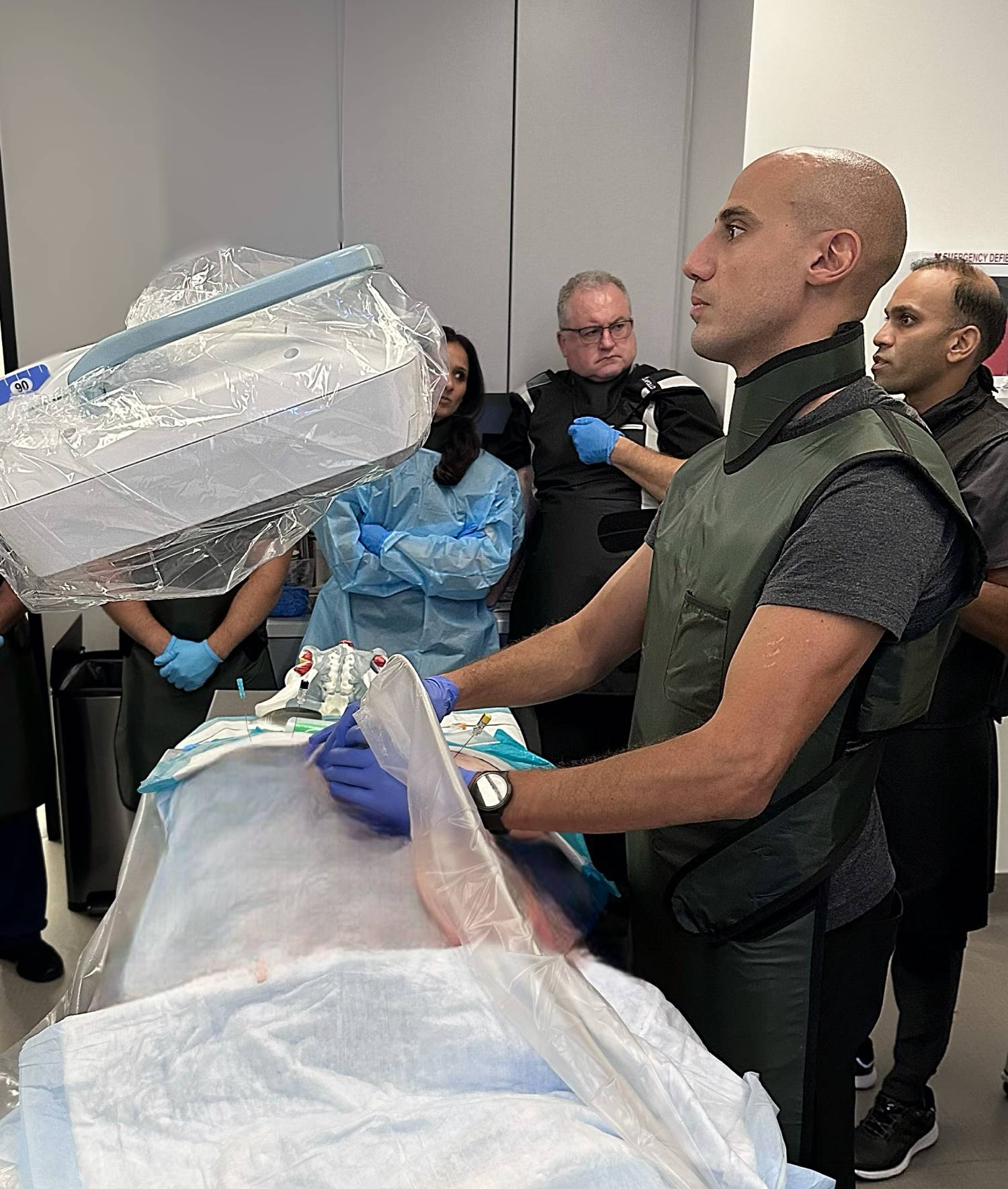
At Palm Beach Regenerative Sport and Spine, located in West Palm Beach, we offer innovative alternatives to surgery for residents of Port Saint Lucie, FL. Our non-surgical treatments provide effective solutions for various orthopedic conditions, minimizing recovery time and maximizing results. We specialize in personalized care, tailoring our approach to each patient’s unique needs. Our double board-certified physician, Dr. Ghattas, brings extensive expertise in interventional orthobiologics to provide cutting-edge, evidence-based treatments. Reach out to us to explore your non-surgical options today.
Why Consider Alternatives To Surgery?
Surgery often comes with significant risks, extended recovery periods, and potential complications. Alternatives to surgery can offer effective relief without these drawbacks. At our Port Saint Lucie, FL-serving practice, we provide non-invasive and minimally invasive treatments that can address various orthopedic issues. These alternatives often lead to:
- Faster recovery times
- Reduced risk of complications
- Lower overall treatment costs
- Preservation of natural joint function
- Minimized scarring and tissue damage
Our advanced non-surgical treatments can effectively address a wide range of conditions, potentially eliminating the need for invasive procedures.
Why Choose Palm Beach Regenerative Sport and Spine
When seeking alternatives to surgery in Port Saint Lucie, FL, Palm Beach Regenerative Sport and Spine stands out as a leader in non-operative treatments. Our commitment to patient care and advanced techniques sets us apart:
- Double Board-Certified Neurologist and Interventional Pain Management Physician
- Specialization in Orthobiologic Medicine
- Personalized treatment plans
- In-office X-ray and ultrasound imaging
- Full spine MRI imaging available
- Customized supplement regimens with exclusive discounts
- 24/7 accessibility via text
- Appointments scheduled within 1-2 weeks
Our evidence-based solutions and tailored approaches ensure that each patient receives the most effective non-surgical treatment for their condition.
Contact Us
If you’re considering alternatives to surgery in Port Saint Lucie, FL, Palm Beach Regenerative Sport and Spine is here to help. Our expert team, led by Dr. Ghattas, is ready to provide you with state-of-the-art non-surgical treatments tailored to your specific needs. We offer a comprehensive approach to orthopedic care, combining advanced techniques with personalized attention to achieve optimal results.
Contact us today to schedule a consultation and take the first step towards a pain-free life without surgery.
Schedule your visit today!
Quick Appointments Available
Don't wait in pain. We can see you within 1-2 weeks. Get the orthopedic care you need, fast.
●PATIENT OUTCOMES
Real Patients. Real Results.
No medical procedure can guarantee an outcome. What you should expect is an honest discussion of the evidence, a careful assessment of candidacy, and a recommendation based on your condition.
"Honestly one of the best experiences, I’ve had a really stiff neck for a couple weeks I tried seeing a chiropractor for and it helped marginally but the real jump in relief was coming to see Dr. Ghattas! He has been incredible, wonderful staff, and minimally invasive technique for my pain relief which was super important to me! Thank you Dr. Ghattas recommending to anyone with pain!"Monica A
"Ghattas was instrumental in helping my torn rotator cuff. I did Barbotage for the stone, and then PRP. Great experience. Been about a month or 2 since and I feel great."Ahmet B
"I had severe knee pain and was looking for proper knee pain treatment, which is how I found Dr. Ghattas on Instagram. I was a bit hesitant at first, but it turned out to be one of the best decisions I’ve made for my health. Francia was amazing at coordinating all my consultations and making the whole process easy and stress-free. If you’re dealing with knee pain and looking for a reliable doctor and team, I highly recommend them."Roger L
"Over a year ago, both my daughter and I underwent PRP treatment with Dr. Ghattas—PRP for my left knee and PRP for my daughter’s L4-L5 and sacral region. We wanted to wait long enough to truly evaluate the results before sharing our experience. I am pleased to say that the outcomes have been outstanding. My daughter’s improvement has been remarkable, and the treatment has made a significant difference in her quality of life. I have also experienced excellent results with my knee. Dr. Ghattas is an exceptional physician who combines expertise, professionalism, and genuine care for his patients. We are incredibly grateful for the treatment we received and the positive impact it has had on our lives. Thank you, Dr. Ghattas. We are truly grateful for everything you have done. You are simply the best."Dr Jorge A
"Dr. Ghattas is very knowledgable and a sympathetic doctor. Hard to find in America. All questions answered, my procedure went very smoothly, very little pain. Follow up is excellent, I highly recommend his practice."Luciana D
“ I had severe knee pain and was looking for proper knee pain treatment, which is how I found Dr. Ghattas on Instagram. I was a bit hesitant at first, but it turned out to be one of the best decisions I’ve made for my health. Francia was amazing at coordinating all my consultations and making the whole process easy and stress-free. If you’re dealing with knee pain and looking for a reliable doctor and team, I highly recommend them. ”Roger L
“Dr. Ghattas was terrific today. He spent a good amount of time examining me and explaining the regenerative process which I intend to have done next month. More to come after the procedure.”Louie R
“I found Dr Ghattas and his staff very welcoming and informative. The process was well explained and gave me encouragement about the potential for fully restoring my knee joint integrity.”Eric C
“I received two treatments from Dr. Ghattas With excellent results, he takes great care in his assessment and in his treatment you couldn’t be in better hands. I highly recommend his work.”Gisela S
“Apart from the exemplary personal service by the reception and the staff that makes us feel we're at home at the clinic, I have experienced remarkable healing in several episodes from shoulder issue to knee injuries and hip pain. The doctor is so thorough in the diagnosis phase that he administered exactly what was needed, no more no less! Thank you folks for a wonderful experience.”RG G
“Went to Dr. Ghattas for chronic knee and neck issue. I’ve already had multiple procedures done on my neck and multiple epidurals with minimal success. My knee I was told needed surgery to fix. I already had surgery in the past with minimal difference. I ended up getting stem cells in my knee and neck and could t be happier with the outcome. Anyone considering surgery I recommend checking out Regenex first. Next I’m doing the ganglion block and look forward to the results.”Logan H
“Dr. James Ghattas and his team are truly top-notch. His office is equipped with state-of-the-art technology and a staff that's exceptional in their fields. I've referred several clients to him, and they've all been incredibly satisfied. Dr. Ghattas is absolutely ahead of the curve, and I wholeheartedly endorse his work.”Ron H
“I am quite active and go to pilates 3-4 times per week. I was having left knee pain and which was treated with PRP. It took about 3 months for me to feel better but then the pain completely subsided. I now am able to exercise without the fear that I will tear a ligament and am pain free.”Ellipsis P
“Transparency, thoroughness, attention to detail, immediate, high quality, follow ups and follow through are just a few words that come to mind throughout my experiences with Palm Beach Regenerative Sport and Spine.”Milton L

EXCLUSIVE ACCESS TO
Practitioner-
Grade Supplements
By partnering with WholeScripts, Dr. James Ghattas connects you to trusted, practitioner-grade supplements tailored to your needs. Signing up gives you access to exclusive discounts and makes refilling your supplements simple and convenient.
Stuart
Restore Function Without Surgery | Biologics Guided by Evidence | Board-Certified Physician
Alternatives To Surgery for Stuart, FL Residents
At Palm Beach Regenerative Sport and Spine, located in West Palm Beach, we offer innovative alternatives to surgery for residents of Stuart, FL. Our non-surgical treatments provide effective solutions for various orthopedic conditions, minimizing recovery time and maximizing results. We specialize in personalized care, tailoring our approach to each patient’s unique needs. Our double board-certified physician, Dr. Ghattas, brings extensive expertise in interventional orthobiologics to provide cutting-edge, evidence-based treatments. Reach out to us to explore your non-surgical options today.
Why Consider Alternatives To Surgery?
Surgery often comes with significant risks, extended recovery periods, and potential complications. Alternatives to surgery can offer effective relief without these drawbacks. At our Stuart, FL-serving practice, we provide non-invasive and minimally invasive treatments that can address various orthopedic issues. These alternatives often lead to:
- Faster recovery times
- Reduced risk of complications
- Lower overall treatment costs
- Preservation of natural joint function
- Minimized scarring and tissue damage
Our advanced non-surgical treatments can effectively address a wide range of conditions, potentially eliminating the need for invasive procedures.
Why Choose Palm Beach Regenerative Sport and Spine
When seeking alternatives to surgery in Stuart, FL, Palm Beach Regenerative Sport and Spine stands out as a leader in non-operative treatments. Our commitment to patient care and advanced techniques sets us apart:
- Double Board-Certified Neurologist and Interventional Pain Management Physician
- Specialization in Orthobiologic Medicine
- Personalized treatment plans
- In-office X-ray and ultrasound imaging
- Full spine MRI imaging available
- Customized supplement regimens with exclusive discounts
- 24/7 accessibility via text
- Appointments scheduled within 1-2 weeks
Our evidence-based solutions and tailored approaches ensure that each patient receives the most effective non-surgical treatment for their condition.
Contact Us
If you’re considering alternatives to surgery in Stuart, FL, Palm Beach Regenerative Sport and Spine is here to help. Our expert team, led by Dr. Ghattas, is ready to provide you with state-of-the-art non-surgical treatments tailored to your specific needs. We offer a comprehensive approach to orthopedic care, combining advanced techniques with personalized attention to achieve optimal results.
Contact us today to schedule a consultation and take the first step towards a pain-free life without surgery.
Schedule your visit today!
Quick Appointments Available
Don't wait in pain. We can see you within 1-2 weeks. Get the orthopedic care you need, fast.
●PATIENT OUTCOMES
Real Patients. Real Results.
No medical procedure can guarantee an outcome. What you should expect is an honest discussion of the evidence, a careful assessment of candidacy, and a recommendation based on your condition.
"Honestly one of the best experiences, I’ve had a really stiff neck for a couple weeks I tried seeing a chiropractor for and it helped marginally but the real jump in relief was coming to see Dr. Ghattas! He has been incredible, wonderful staff, and minimally invasive technique for my pain relief which was super important to me! Thank you Dr. Ghattas recommending to anyone with pain!"Monica A
"Ghattas was instrumental in helping my torn rotator cuff. I did Barbotage for the stone, and then PRP. Great experience. Been about a month or 2 since and I feel great."Ahmet B
"I had severe knee pain and was looking for proper knee pain treatment, which is how I found Dr. Ghattas on Instagram. I was a bit hesitant at first, but it turned out to be one of the best decisions I’ve made for my health. Francia was amazing at coordinating all my consultations and making the whole process easy and stress-free. If you’re dealing with knee pain and looking for a reliable doctor and team, I highly recommend them."Roger L
"Over a year ago, both my daughter and I underwent PRP treatment with Dr. Ghattas—PRP for my left knee and PRP for my daughter’s L4-L5 and sacral region. We wanted to wait long enough to truly evaluate the results before sharing our experience. I am pleased to say that the outcomes have been outstanding. My daughter’s improvement has been remarkable, and the treatment has made a significant difference in her quality of life. I have also experienced excellent results with my knee. Dr. Ghattas is an exceptional physician who combines expertise, professionalism, and genuine care for his patients. We are incredibly grateful for the treatment we received and the positive impact it has had on our lives. Thank you, Dr. Ghattas. We are truly grateful for everything you have done. You are simply the best."Dr Jorge A
"Dr. Ghattas is very knowledgable and a sympathetic doctor. Hard to find in America. All questions answered, my procedure went very smoothly, very little pain. Follow up is excellent, I highly recommend his practice."Luciana D
“ I had severe knee pain and was looking for proper knee pain treatment, which is how I found Dr. Ghattas on Instagram. I was a bit hesitant at first, but it turned out to be one of the best decisions I’ve made for my health. Francia was amazing at coordinating all my consultations and making the whole process easy and stress-free. If you’re dealing with knee pain and looking for a reliable doctor and team, I highly recommend them. ”Roger L
“Dr. Ghattas was terrific today. He spent a good amount of time examining me and explaining the regenerative process which I intend to have done next month. More to come after the procedure.”Louie R
“I found Dr Ghattas and his staff very welcoming and informative. The process was well explained and gave me encouragement about the potential for fully restoring my knee joint integrity.”Eric C
“I received two treatments from Dr. Ghattas With excellent results, he takes great care in his assessment and in his treatment you couldn’t be in better hands. I highly recommend his work.”Gisela S
“Apart from the exemplary personal service by the reception and the staff that makes us feel we're at home at the clinic, I have experienced remarkable healing in several episodes from shoulder issue to knee injuries and hip pain. The doctor is so thorough in the diagnosis phase that he administered exactly what was needed, no more no less! Thank you folks for a wonderful experience.”RG G
“Went to Dr. Ghattas for chronic knee and neck issue. I’ve already had multiple procedures done on my neck and multiple epidurals with minimal success. My knee I was told needed surgery to fix. I already had surgery in the past with minimal difference. I ended up getting stem cells in my knee and neck and could t be happier with the outcome. Anyone considering surgery I recommend checking out Regenex first. Next I’m doing the ganglion block and look forward to the results.”Logan H
“Dr. James Ghattas and his team are truly top-notch. His office is equipped with state-of-the-art technology and a staff that's exceptional in their fields. I've referred several clients to him, and they've all been incredibly satisfied. Dr. Ghattas is absolutely ahead of the curve, and I wholeheartedly endorse his work.”Ron H
“I am quite active and go to pilates 3-4 times per week. I was having left knee pain and which was treated with PRP. It took about 3 months for me to feel better but then the pain completely subsided. I now am able to exercise without the fear that I will tear a ligament and am pain free.”Ellipsis P
“Transparency, thoroughness, attention to detail, immediate, high quality, follow ups and follow through are just a few words that come to mind throughout my experiences with Palm Beach Regenerative Sport and Spine.”Milton L
EXCLUSIVE ACCESS TO
Practitioner-
Grade Supplements
By partnering with WholeScripts, Dr. James Ghattas connects you to trusted, practitioner-grade supplements tailored to your needs. Signing up gives you access to exclusive discounts and makes refilling your supplements simple and convenient.
Boca Raton
Restore Function Without Surgery | Biologics Guided by Evidence | Board-Certified Physician
Alternatives To Surgery for Boca Raton, FL Residents
At Palm Beach Regenerative Sport and Spine, located in West Palm Beach, we offer innovative alternatives to surgery for residents of Boca Raton, FL. Our non-surgical treatments provide effective solutions for various orthopedic conditions, minimizing recovery time and maximizing results. We specialize in personalized care, tailoring our approach to each patient’s unique needs. Our double board-certified physician, Dr. Ghattas, brings extensive expertise in interventional orthobiologics to provide cutting-edge, evidence-based treatments. Reach out to us to explore your non-surgical options today.
Why Consider Alternatives To Surgery?
Surgery often comes with significant risks, extended recovery periods, and potential complications. Alternatives to surgery can offer effective relief without these drawbacks. At our Boca Raton, FL-serving practice, we provide non-invasive and minimally invasive treatments that can address various orthopedic issues. These alternatives often lead to:
- Faster recovery times
- Reduced risk of complications
- Lower overall treatment costs
- Preservation of natural joint function
- Minimized scarring and tissue damage
Our advanced non-surgical treatments can effectively address a wide range of conditions, potentially eliminating the need for invasive procedures.
Why Choose Palm Beach Regenerative Sport and Spine
When seeking alternatives to surgery in Boca Raton, FL, Palm Beach Regenerative Sport and Spine stands out as a leader in non-operative treatments. Our commitment to patient care and advanced techniques sets us apart:
- Double Board-Certified Neurologist and Interventional Pain Management Physician
- Specialization in Orthobiologic Medicine
- Personalized treatment plans
- In-office X-ray and ultrasound imaging
- Full spine MRI imaging available
- Customized supplement regimens with exclusive discounts
- 24/7 accessibility via text
- Appointments scheduled within 1-2 weeks
Our evidence-based solutions and tailored approaches ensure that each patient receives the most effective non-surgical treatment for their condition.
Contact Us
If you’re considering alternatives to surgery in Boca Raton, FL, Palm Beach Regenerative Sport and Spine is here to help. Our expert team, led by Dr. Ghattas, is ready to provide you with state-of-the-art non-surgical treatments tailored to your specific needs. We offer a comprehensive approach to orthopedic care, combining advanced techniques with personalized attention to achieve optimal results.
Contact us today to schedule a consultation and take the first step towards a pain-free life without surgery.
Schedule your visit today!
Quick Appointments Available
Don't wait in pain. We can see you within 1-2 weeks. Get the orthopedic care you need, fast.
●PATIENT OUTCOMES
Real Patients. Real Results.
No medical procedure can guarantee an outcome. What you should expect is an honest discussion of the evidence, a careful assessment of candidacy, and a recommendation based on your condition.
"Honestly one of the best experiences, I’ve had a really stiff neck for a couple weeks I tried seeing a chiropractor for and it helped marginally but the real jump in relief was coming to see Dr. Ghattas! He has been incredible, wonderful staff, and minimally invasive technique for my pain relief which was super important to me! Thank you Dr. Ghattas recommending to anyone with pain!"Monica A
"Ghattas was instrumental in helping my torn rotator cuff. I did Barbotage for the stone, and then PRP. Great experience. Been about a month or 2 since and I feel great."Ahmet B
"I had severe knee pain and was looking for proper knee pain treatment, which is how I found Dr. Ghattas on Instagram. I was a bit hesitant at first, but it turned out to be one of the best decisions I’ve made for my health. Francia was amazing at coordinating all my consultations and making the whole process easy and stress-free. If you’re dealing with knee pain and looking for a reliable doctor and team, I highly recommend them."Roger L
"Over a year ago, both my daughter and I underwent PRP treatment with Dr. Ghattas—PRP for my left knee and PRP for my daughter’s L4-L5 and sacral region. We wanted to wait long enough to truly evaluate the results before sharing our experience. I am pleased to say that the outcomes have been outstanding. My daughter’s improvement has been remarkable, and the treatment has made a significant difference in her quality of life. I have also experienced excellent results with my knee. Dr. Ghattas is an exceptional physician who combines expertise, professionalism, and genuine care for his patients. We are incredibly grateful for the treatment we received and the positive impact it has had on our lives. Thank you, Dr. Ghattas. We are truly grateful for everything you have done. You are simply the best."Dr Jorge A
"Dr. Ghattas is very knowledgable and a sympathetic doctor. Hard to find in America. All questions answered, my procedure went very smoothly, very little pain. Follow up is excellent, I highly recommend his practice."Luciana D
“ I had severe knee pain and was looking for proper knee pain treatment, which is how I found Dr. Ghattas on Instagram. I was a bit hesitant at first, but it turned out to be one of the best decisions I’ve made for my health. Francia was amazing at coordinating all my consultations and making the whole process easy and stress-free. If you’re dealing with knee pain and looking for a reliable doctor and team, I highly recommend them. ”Roger L
“Dr. Ghattas was terrific today. He spent a good amount of time examining me and explaining the regenerative process which I intend to have done next month. More to come after the procedure.”Louie R
“I found Dr Ghattas and his staff very welcoming and informative. The process was well explained and gave me encouragement about the potential for fully restoring my knee joint integrity.”Eric C
“I received two treatments from Dr. Ghattas With excellent results, he takes great care in his assessment and in his treatment you couldn’t be in better hands. I highly recommend his work.”Gisela S
“Apart from the exemplary personal service by the reception and the staff that makes us feel we're at home at the clinic, I have experienced remarkable healing in several episodes from shoulder issue to knee injuries and hip pain. The doctor is so thorough in the diagnosis phase that he administered exactly what was needed, no more no less! Thank you folks for a wonderful experience.”RG G
“Went to Dr. Ghattas for chronic knee and neck issue. I’ve already had multiple procedures done on my neck and multiple epidurals with minimal success. My knee I was told needed surgery to fix. I already had surgery in the past with minimal difference. I ended up getting stem cells in my knee and neck and could t be happier with the outcome. Anyone considering surgery I recommend checking out Regenex first. Next I’m doing the ganglion block and look forward to the results.”Logan H
“Dr. James Ghattas and his team are truly top-notch. His office is equipped with state-of-the-art technology and a staff that's exceptional in their fields. I've referred several clients to him, and they've all been incredibly satisfied. Dr. Ghattas is absolutely ahead of the curve, and I wholeheartedly endorse his work.”Ron H
“I am quite active and go to pilates 3-4 times per week. I was having left knee pain and which was treated with PRP. It took about 3 months for me to feel better but then the pain completely subsided. I now am able to exercise without the fear that I will tear a ligament and am pain free.”Ellipsis P
“Transparency, thoroughness, attention to detail, immediate, high quality, follow ups and follow through are just a few words that come to mind throughout my experiences with Palm Beach Regenerative Sport and Spine.”Milton L
EXCLUSIVE ACCESS TO
Practitioner-
Grade Supplements
By partnering with WholeScripts, Dr. James Ghattas connects you to trusted, practitioner-grade supplements tailored to your needs. Signing up gives you access to exclusive discounts and makes refilling your supplements simple and convenient.
Delray Beach
Restore Function Without Surgery | Biologics Guided by Evidence | Board-Certified Physician
Alternatives To Surgery for Delray Beach, FL Residents
At Palm Beach Regenerative Sport and Spine, located in West Palm Beach, we offer innovative alternatives to surgery for residents of Delray Beach, FL. Our non-surgical treatments provide effective solutions for various orthopedic conditions, minimizing recovery time and maximizing results. We specialize in personalized care, tailoring our approach to each patient’s unique needs. Our double board-certified physician, Dr. Ghattas, brings extensive expertise in interventional orthobiologics to provide cutting-edge, evidence-based treatments. Reach out to us to explore your non-surgical options today.
Why Consider Alternatives To Surgery?
Surgery often comes with significant risks, extended recovery periods, and potential complications. Alternatives to surgery can offer effective relief without these drawbacks. At our Delray Beach, FL-serving practice, we provide non-invasive and minimally invasive treatments that can address various orthopedic issues. These alternatives often lead to:
- Faster recovery times
- Reduced risk of complications
- Lower overall treatment costs
- Preservation of natural joint function
- Minimized scarring and tissue damage
Our advanced non-surgical treatments can effectively address a wide range of conditions, potentially eliminating the need for invasive procedures.
Why Choose Palm Beach Regenerative Sport and Spine
When seeking alternatives to surgery in Delray Beach, FL, Palm Beach Regenerative Sport and Spine stands out as a leader in non-operative treatments. Our commitment to patient care and advanced techniques sets us apart:
- Double Board-Certified Neurologist and Interventional Pain Management Physician
- Specialization in Orthobiologic Medicine
- Personalized treatment plans
- In-office X-ray and ultrasound imaging
- Full spine MRI imaging available
- Customized supplement regimens with exclusive discounts
- 24/7 accessibility via text
- Appointments scheduled within 1-2 weeks
Our evidence-based solutions and tailored approaches ensure that each patient receives the most effective non-surgical treatment for their condition.
Contact Us
If you’re considering alternatives to surgery in Delray Beach, FL, Palm Beach Regenerative Sport and Spine is here to help. Our expert team, led by Dr. Ghattas, is ready to provide you with state-of-the-art non-surgical treatments tailored to your specific needs. We offer a comprehensive approach to orthopedic care, combining advanced techniques with personalized attention to achieve optimal results.
Contact us today to schedule a consultation and take the first step towards a pain-free life without surgery.
Schedule your visit today!
Quick Appointments Available
Don't wait in pain. We can see you within 1-2 weeks. Get the orthopedic care you need, fast.
●PATIENT OUTCOMES
Real Patients. Real Results.
No medical procedure can guarantee an outcome. What you should expect is an honest discussion of the evidence, a careful assessment of candidacy, and a recommendation based on your condition.
"Honestly one of the best experiences, I’ve had a really stiff neck for a couple weeks I tried seeing a chiropractor for and it helped marginally but the real jump in relief was coming to see Dr. Ghattas! He has been incredible, wonderful staff, and minimally invasive technique for my pain relief which was super important to me! Thank you Dr. Ghattas recommending to anyone with pain!"Monica A
"Ghattas was instrumental in helping my torn rotator cuff. I did Barbotage for the stone, and then PRP. Great experience. Been about a month or 2 since and I feel great."Ahmet B
"I had severe knee pain and was looking for proper knee pain treatment, which is how I found Dr. Ghattas on Instagram. I was a bit hesitant at first, but it turned out to be one of the best decisions I’ve made for my health. Francia was amazing at coordinating all my consultations and making the whole process easy and stress-free. If you’re dealing with knee pain and looking for a reliable doctor and team, I highly recommend them."Roger L
"Over a year ago, both my daughter and I underwent PRP treatment with Dr. Ghattas—PRP for my left knee and PRP for my daughter’s L4-L5 and sacral region. We wanted to wait long enough to truly evaluate the results before sharing our experience. I am pleased to say that the outcomes have been outstanding. My daughter’s improvement has been remarkable, and the treatment has made a significant difference in her quality of life. I have also experienced excellent results with my knee. Dr. Ghattas is an exceptional physician who combines expertise, professionalism, and genuine care for his patients. We are incredibly grateful for the treatment we received and the positive impact it has had on our lives. Thank you, Dr. Ghattas. We are truly grateful for everything you have done. You are simply the best."Dr Jorge A
"Dr. Ghattas is very knowledgable and a sympathetic doctor. Hard to find in America. All questions answered, my procedure went very smoothly, very little pain. Follow up is excellent, I highly recommend his practice."Luciana D
“ I had severe knee pain and was looking for proper knee pain treatment, which is how I found Dr. Ghattas on Instagram. I was a bit hesitant at first, but it turned out to be one of the best decisions I’ve made for my health. Francia was amazing at coordinating all my consultations and making the whole process easy and stress-free. If you’re dealing with knee pain and looking for a reliable doctor and team, I highly recommend them. ”Roger L
“Dr. Ghattas was terrific today. He spent a good amount of time examining me and explaining the regenerative process which I intend to have done next month. More to come after the procedure.”Louie R
“I found Dr Ghattas and his staff very welcoming and informative. The process was well explained and gave me encouragement about the potential for fully restoring my knee joint integrity.”Eric C
“I received two treatments from Dr. Ghattas With excellent results, he takes great care in his assessment and in his treatment you couldn’t be in better hands. I highly recommend his work.”Gisela S
“Apart from the exemplary personal service by the reception and the staff that makes us feel we're at home at the clinic, I have experienced remarkable healing in several episodes from shoulder issue to knee injuries and hip pain. The doctor is so thorough in the diagnosis phase that he administered exactly what was needed, no more no less! Thank you folks for a wonderful experience.”RG G
“Went to Dr. Ghattas for chronic knee and neck issue. I’ve already had multiple procedures done on my neck and multiple epidurals with minimal success. My knee I was told needed surgery to fix. I already had surgery in the past with minimal difference. I ended up getting stem cells in my knee and neck and could t be happier with the outcome. Anyone considering surgery I recommend checking out Regenex first. Next I’m doing the ganglion block and look forward to the results.”Logan H
“Dr. James Ghattas and his team are truly top-notch. His office is equipped with state-of-the-art technology and a staff that's exceptional in their fields. I've referred several clients to him, and they've all been incredibly satisfied. Dr. Ghattas is absolutely ahead of the curve, and I wholeheartedly endorse his work.”Ron H
“I am quite active and go to pilates 3-4 times per week. I was having left knee pain and which was treated with PRP. It took about 3 months for me to feel better but then the pain completely subsided. I now am able to exercise without the fear that I will tear a ligament and am pain free.”Ellipsis P
“Transparency, thoroughness, attention to detail, immediate, high quality, follow ups and follow through are just a few words that come to mind throughout my experiences with Palm Beach Regenerative Sport and Spine.”Milton L
EXCLUSIVE ACCESS TO
Practitioner-
Grade Supplements
By partnering with WholeScripts, Dr. James Ghattas connects you to trusted, practitioner-grade supplements tailored to your needs. Signing up gives you access to exclusive discounts and makes refilling your supplements simple and convenient.
Tequesta
Restore Function Without Surgery | Biologics Guided by Evidence | Board-Certified Physician
Alternatives To Surgery for Tequesta, FL Residents
At Palm Beach Regenerative Sport and Spine, located in West Palm Beach, we offer innovative alternatives to surgery for residents of Tequesta, FL. Our non-surgical treatments provide effective solutions for various orthopedic conditions, minimizing recovery time and maximizing results. We specialize in personalized care, tailoring our approach to each patient’s unique needs. Our double board-certified physician, Dr. Ghattas, brings extensive expertise in interventional orthobiologics to provide cutting-edge, evidence-based treatments. Reach out to us to explore your non-surgical options today.
Why Consider Alternatives To Surgery?
Surgery often comes with significant risks, extended recovery periods, and potential complications. Alternatives to surgery can offer effective relief without these drawbacks. At our Tequesta, FL-serving practice, we provide non-invasive and minimally invasive treatments that can address various orthopedic issues. These alternatives often lead to:
- Faster recovery times
- Reduced risk of complications
- Lower overall treatment costs
- Preservation of natural joint function
- Minimized scarring and tissue damage
Our advanced non-surgical treatments can effectively address a wide range of conditions, potentially eliminating the need for invasive procedures.
Why Choose Palm Beach Regenerative Sport and Spine
When seeking alternatives to surgery in Tequesta, FL, Palm Beach Regenerative Sport and Spine stands out as a leader in non-operative treatments. Our commitment to patient care and advanced techniques sets us apart:
- Double Board-Certified Neurologist and Interventional Pain Management Physician
- Specialization in Orthobiologic Medicine
- Personalized treatment plans
- In-office X-ray and ultrasound imaging
- Full spine MRI imaging available
- Customized supplement regimens with exclusive discounts
- 24/7 accessibility via text
- Appointments scheduled within 1-2 weeks
Our evidence-based solutions and tailored approaches ensure that each patient receives the most effective non-surgical treatment for their condition.
Contact Us
If you’re considering alternatives to surgery in Tequesta, FL, Palm Beach Regenerative Sport and Spine is here to help. Our expert team, led by Dr. Ghattas, is ready to provide you with state-of-the-art non-surgical treatments tailored to your specific needs. We offer a comprehensive approach to orthopedic care, combining advanced techniques with personalized attention to achieve optimal results.
Contact us today to schedule a consultation and take the first step towards a pain-free life without surgery.
Schedule your visit today!
Quick Appointments Available
Don't wait in pain. We can see you within 1-2 weeks. Get the orthopedic care you need, fast.
●PATIENT OUTCOMES
Real Patients. Real Results.
No medical procedure can guarantee an outcome. What you should expect is an honest discussion of the evidence, a careful assessment of candidacy, and a recommendation based on your condition.
"Honestly one of the best experiences, I’ve had a really stiff neck for a couple weeks I tried seeing a chiropractor for and it helped marginally but the real jump in relief was coming to see Dr. Ghattas! He has been incredible, wonderful staff, and minimally invasive technique for my pain relief which was super important to me! Thank you Dr. Ghattas recommending to anyone with pain!"Monica A
"Ghattas was instrumental in helping my torn rotator cuff. I did Barbotage for the stone, and then PRP. Great experience. Been about a month or 2 since and I feel great."Ahmet B
"I had severe knee pain and was looking for proper knee pain treatment, which is how I found Dr. Ghattas on Instagram. I was a bit hesitant at first, but it turned out to be one of the best decisions I’ve made for my health. Francia was amazing at coordinating all my consultations and making the whole process easy and stress-free. If you’re dealing with knee pain and looking for a reliable doctor and team, I highly recommend them."Roger L
"Over a year ago, both my daughter and I underwent PRP treatment with Dr. Ghattas—PRP for my left knee and PRP for my daughter’s L4-L5 and sacral region. We wanted to wait long enough to truly evaluate the results before sharing our experience. I am pleased to say that the outcomes have been outstanding. My daughter’s improvement has been remarkable, and the treatment has made a significant difference in her quality of life. I have also experienced excellent results with my knee. Dr. Ghattas is an exceptional physician who combines expertise, professionalism, and genuine care for his patients. We are incredibly grateful for the treatment we received and the positive impact it has had on our lives. Thank you, Dr. Ghattas. We are truly grateful for everything you have done. You are simply the best."Dr Jorge A
"Dr. Ghattas is very knowledgable and a sympathetic doctor. Hard to find in America. All questions answered, my procedure went very smoothly, very little pain. Follow up is excellent, I highly recommend his practice."Luciana D
“ I had severe knee pain and was looking for proper knee pain treatment, which is how I found Dr. Ghattas on Instagram. I was a bit hesitant at first, but it turned out to be one of the best decisions I’ve made for my health. Francia was amazing at coordinating all my consultations and making the whole process easy and stress-free. If you’re dealing with knee pain and looking for a reliable doctor and team, I highly recommend them. ”Roger L
“Dr. Ghattas was terrific today. He spent a good amount of time examining me and explaining the regenerative process which I intend to have done next month. More to come after the procedure.”Louie R
“I found Dr Ghattas and his staff very welcoming and informative. The process was well explained and gave me encouragement about the potential for fully restoring my knee joint integrity.”Eric C
“I received two treatments from Dr. Ghattas With excellent results, he takes great care in his assessment and in his treatment you couldn’t be in better hands. I highly recommend his work.”Gisela S
“Apart from the exemplary personal service by the reception and the staff that makes us feel we're at home at the clinic, I have experienced remarkable healing in several episodes from shoulder issue to knee injuries and hip pain. The doctor is so thorough in the diagnosis phase that he administered exactly what was needed, no more no less! Thank you folks for a wonderful experience.”RG G
“Went to Dr. Ghattas for chronic knee and neck issue. I’ve already had multiple procedures done on my neck and multiple epidurals with minimal success. My knee I was told needed surgery to fix. I already had surgery in the past with minimal difference. I ended up getting stem cells in my knee and neck and could t be happier with the outcome. Anyone considering surgery I recommend checking out Regenex first. Next I’m doing the ganglion block and look forward to the results.”Logan H
“Dr. James Ghattas and his team are truly top-notch. His office is equipped with state-of-the-art technology and a staff that's exceptional in their fields. I've referred several clients to him, and they've all been incredibly satisfied. Dr. Ghattas is absolutely ahead of the curve, and I wholeheartedly endorse his work.”Ron H
“I am quite active and go to pilates 3-4 times per week. I was having left knee pain and which was treated with PRP. It took about 3 months for me to feel better but then the pain completely subsided. I now am able to exercise without the fear that I will tear a ligament and am pain free.”Ellipsis P
“Transparency, thoroughness, attention to detail, immediate, high quality, follow ups and follow through are just a few words that come to mind throughout my experiences with Palm Beach Regenerative Sport and Spine.”Milton L
EXCLUSIVE ACCESS TO
Practitioner-
Grade Supplements
By partnering with WholeScripts, Dr. James Ghattas connects you to trusted, practitioner-grade supplements tailored to your needs. Signing up gives you access to exclusive discounts and makes refilling your supplements simple and convenient.